
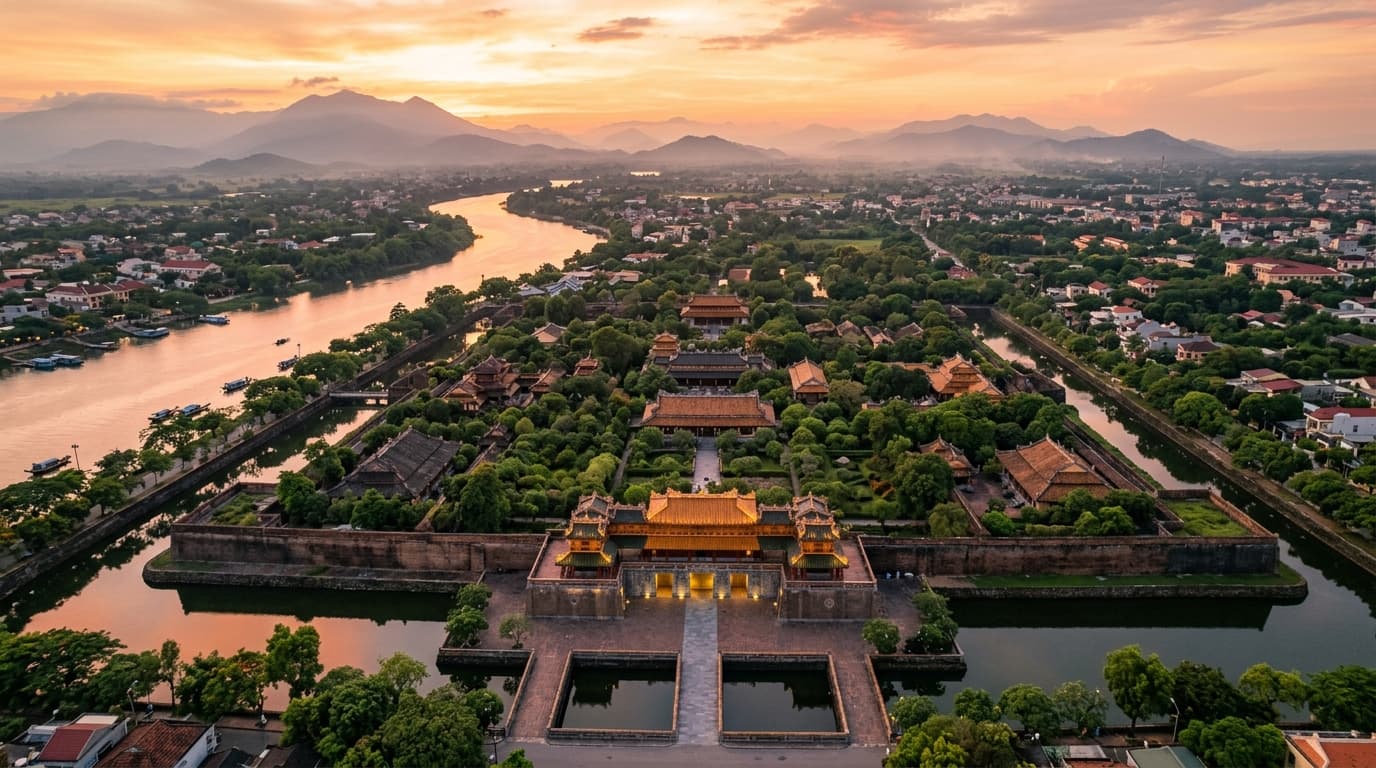
ANCIENT IMPERIAL CAPITAL
Hue — Where Vietnam's Soul Lives On
Over 700 years of history, 7 UNESCO monuments, and a pace of life found nowhere else. Everything you need to truly understand Hue.
A HISTORY UNLIKE ANY OTHER
3,500 Years of History Along Central Vietnam
Long before becoming the Nguyen Dynasty's imperial capital, Hue passed through extraordinary chapters — from the ancient Sa Huynh culture, through the mighty Champa Kingdom, to when the Vietnamese made it the beating heart of a nation.
Sa Huynh Culture & Early Cham
This land was home to the Sa Huynh people — a flourishing prehistoric culture. The Cham then built the mighty Champa Kingdom here, leaving architectural and cultural imprints that still echo through Hue today.
Vietnamese Arrival & Viet-Cham Fusion
In 1306, the Cham king ceded this territory (then called Ô Lý) to Đại Việt through a royal marriage. Hue became the crossroads of two civilizations, forging a cultural identity — refined, layered, and unlike anywhere else in Southeast Asia.
The Nguyen Dynasty — Imperial Capital
Emperor Gia Long unified Vietnam and chose Hue as the capital in 1802. For 143 years, 13 Nguyen emperors built the Imperial Citadel, 7 royal tombs, and dozens of palaces and pagodas — creating the grandest royal heritage complex in Southeast Asia. UNESCO recognized it as a World Heritage Site in 1993.
A Living Heritage City
After the dynasty's fall, Hue became a vibrant living heritage city — where narrow lanes still carry the scent of royal cuisine, artisans still practice ancient crafts, and the Perfume River quietly flows through the centuries. Today's Hue is a perfect weaving of past and present.
"Hue is the only place in Vietnam where, standing in the heart of the city, you can feel a thousand years of history flowing through every brick, every voice, every bowl of bun bo in the early morning." — Often cited among Hue cultural scholars
MUST-SEE LANDMARKS
7 Places You Cannot Leave Hue Without Seeing
From millennia-old royal monuments to untouched lagoons, Hue is a collection of natural and human masterpieces.
Hue Imperial Citadel
A 520-hectare royal complex with three concentric walls. The heart of the Nguyen Dynasty, where 13 emperors once ruled. UNESCO-listed since 1993.
Khai Dinh Royal Tomb
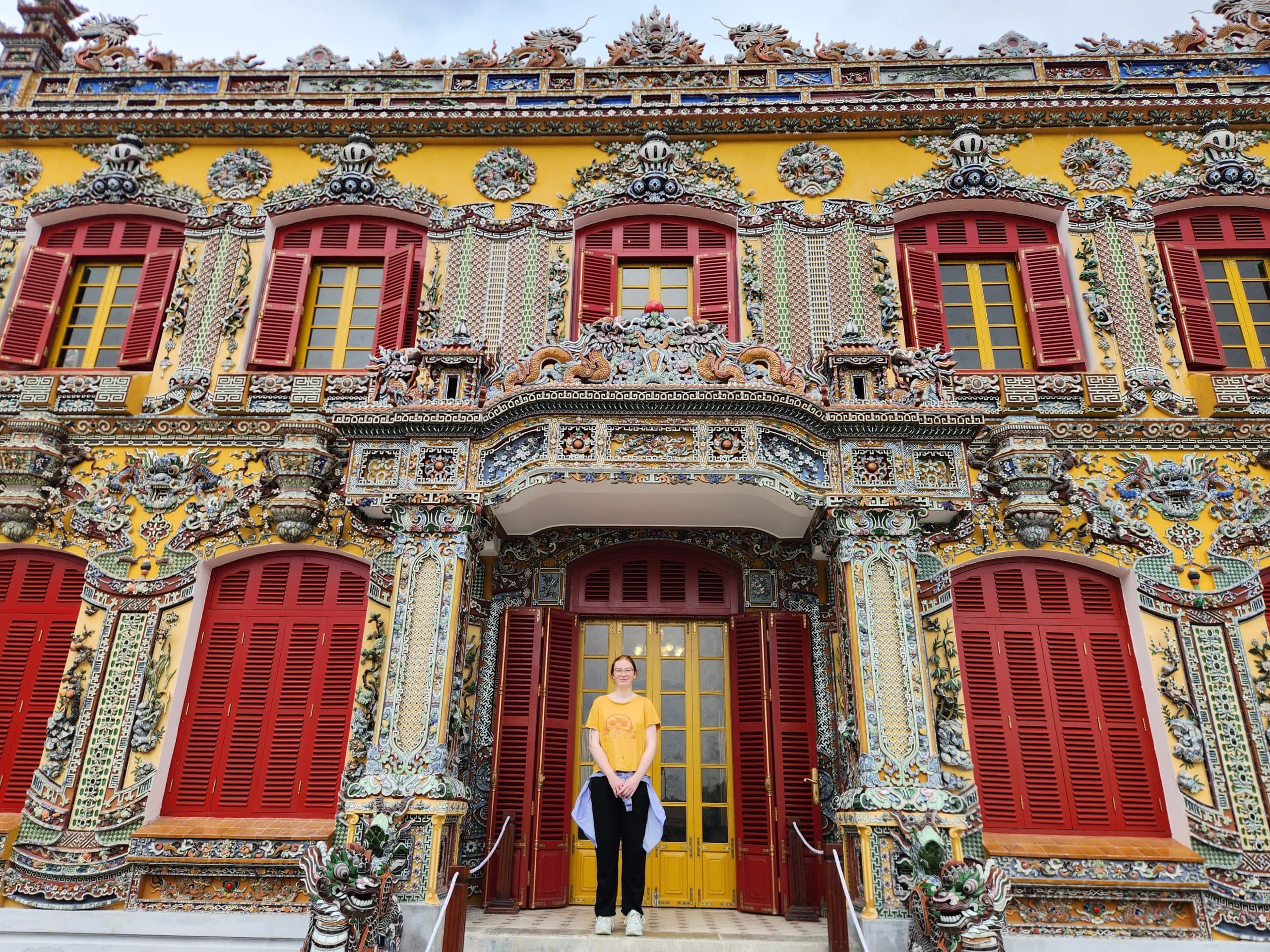
Tomb of Emperor Khai Dinh — a unique blend of European Gothic and Cham decorative arts. Thousands of porcelain and glass pieces create breathtaking mosaic murals.
Thien Mu Pagoda
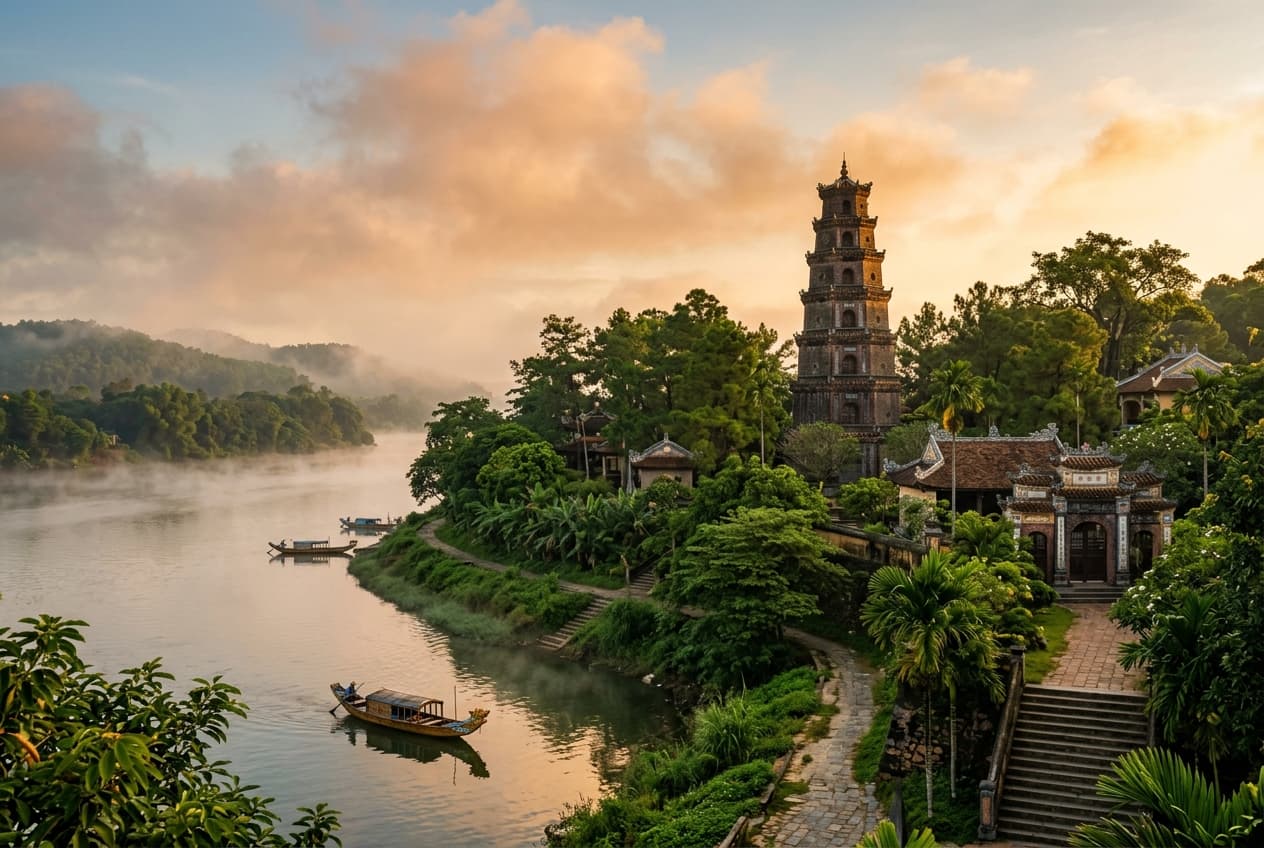
Hue's most ancient pagoda with the 7-storey Phuoc Duyen Tower reflected in the Perfume River. Built in 1601, it has witnessed 400+ years of the city's history.
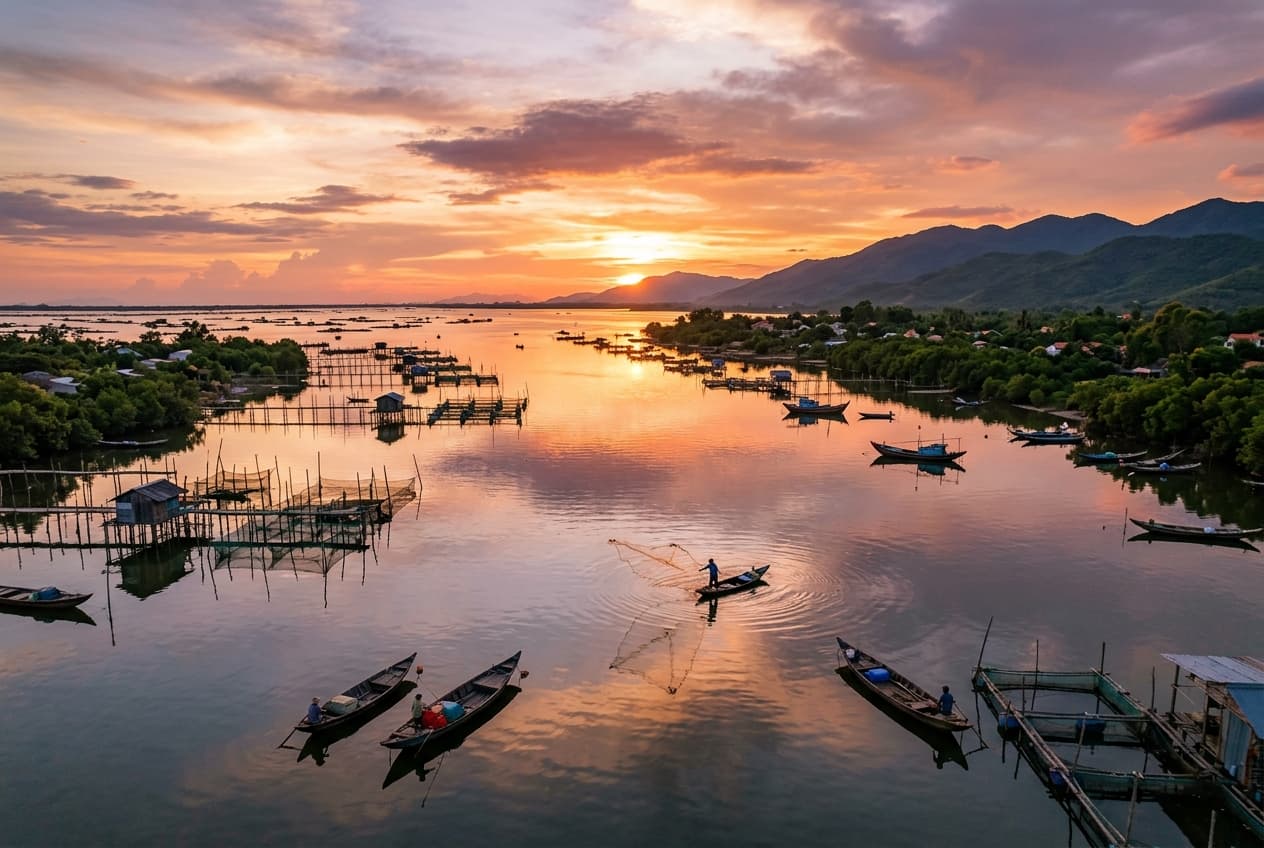
Tam Giang Lagoon
Southeast Asia's largest lagoon system at 22,000 hectares. Sunset over Tam Giang is one of Central Vietnam's most breathtaking natural spectacles, where fishermen still live by ancestral ways.
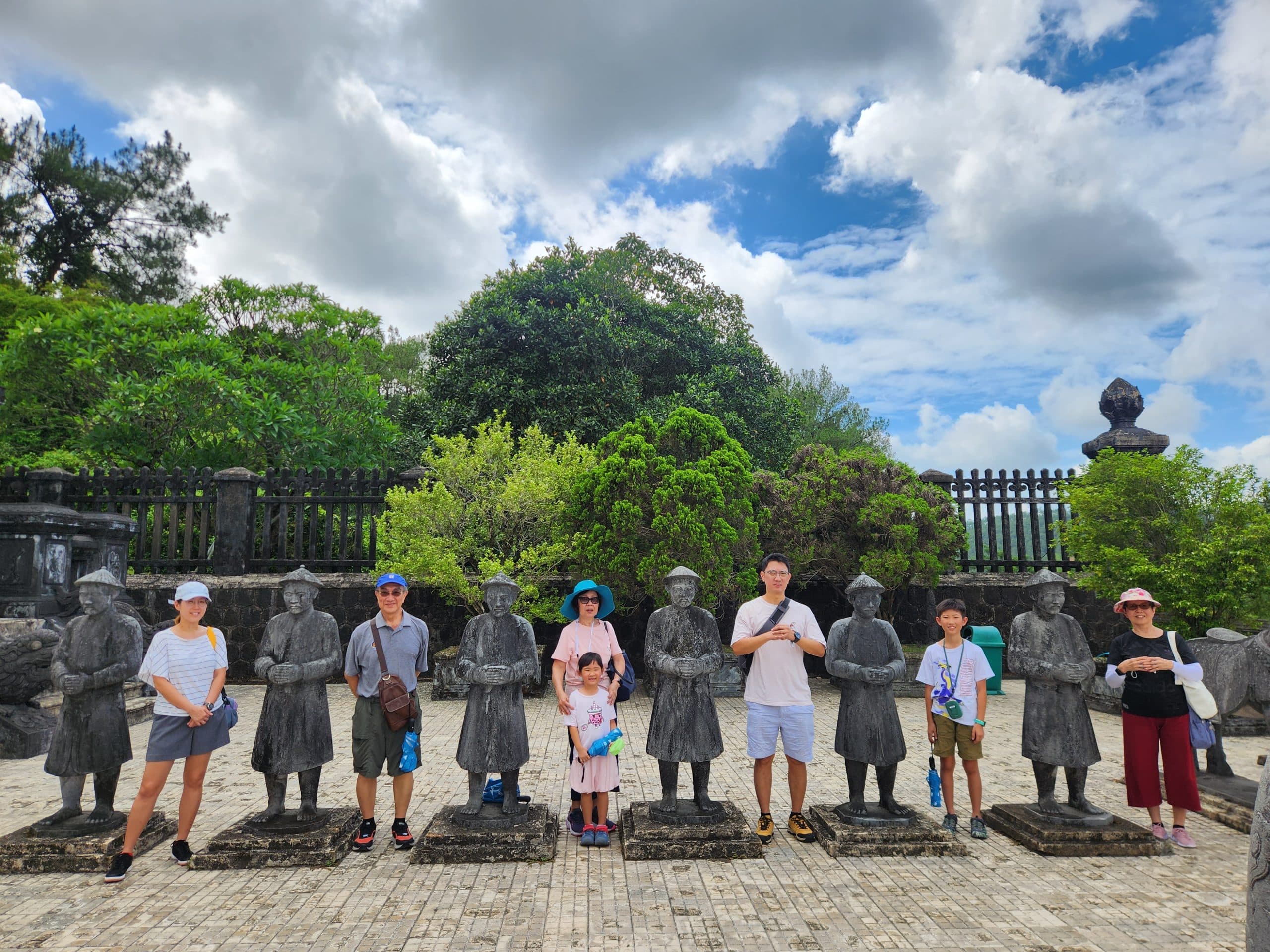
Tu Duc Royal Tomb
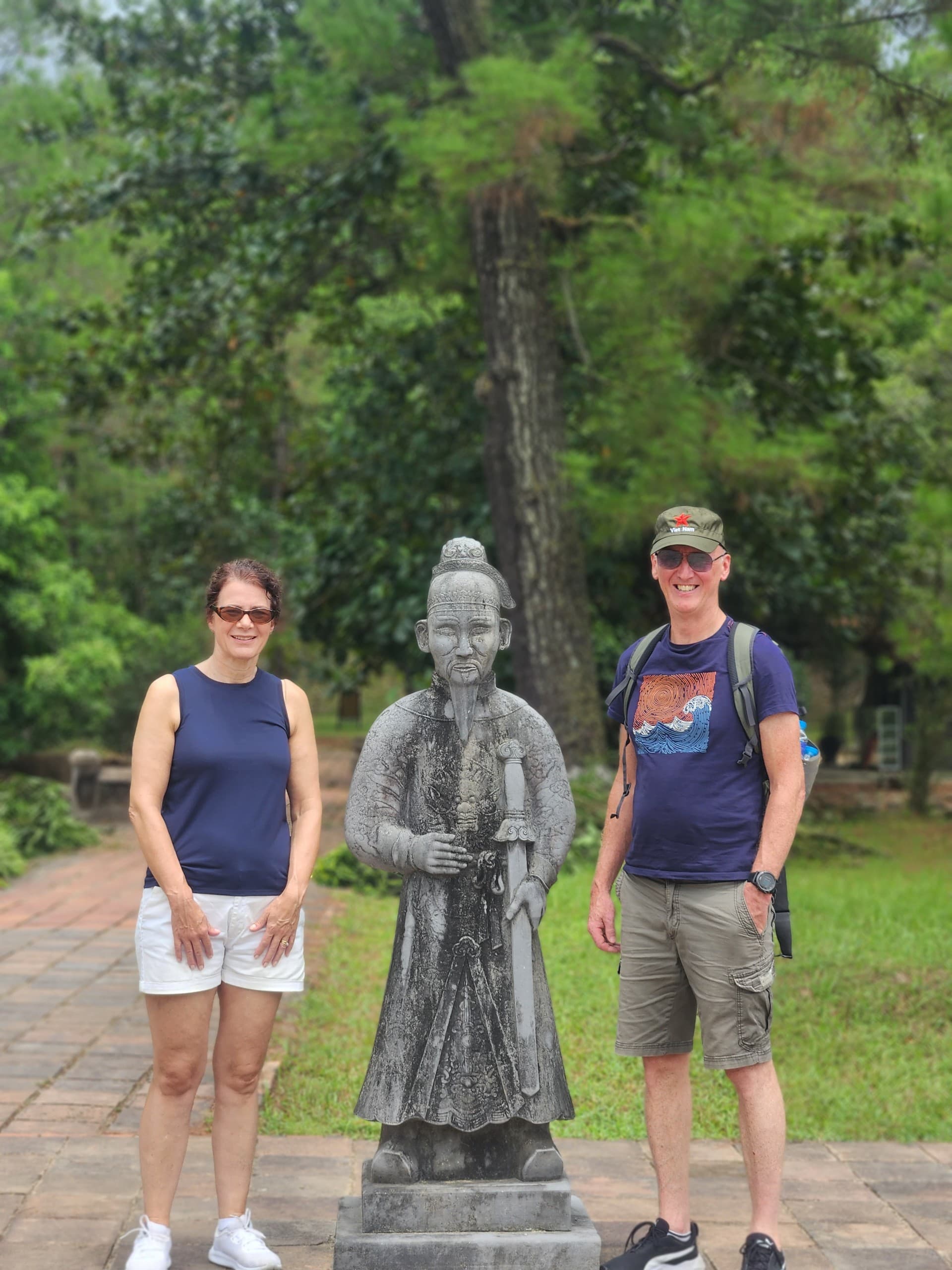
The most poetic of all Nguyen royal tombs — a vast garden of lotus ponds, pine forests, and delicate pavilions. Emperor Tu Duc spent years here composing poetry amidst its beauty.
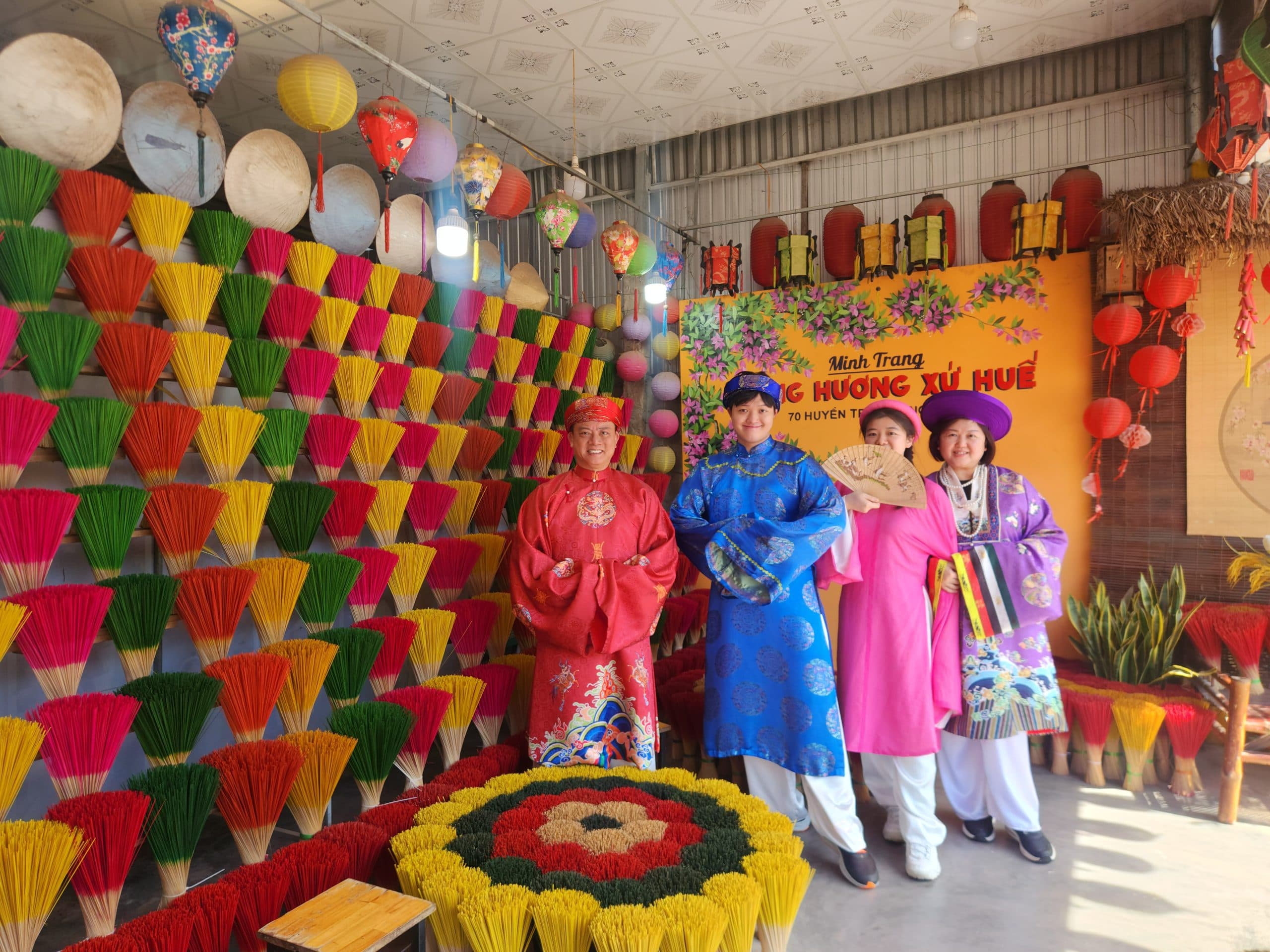
Thuy Xuan Incense Village
A traditional incense-making village over 700 years old — vibrant red, purple, and yellow bundles drying in the sun create unmissable photography scenes. Incense craft is woven into Hue's spiritual identity.
Ho Thuy Tien Water Park
One of the most famous and eerie abandoned water parks in the world. Reclaimed by nature, the giant dragon structures offer a breathtaking space for urban explorers.
CULTURE & CUISINE
Royal Cuisine & A Culture All Its Own
Hue Food — Art in Every Bowl
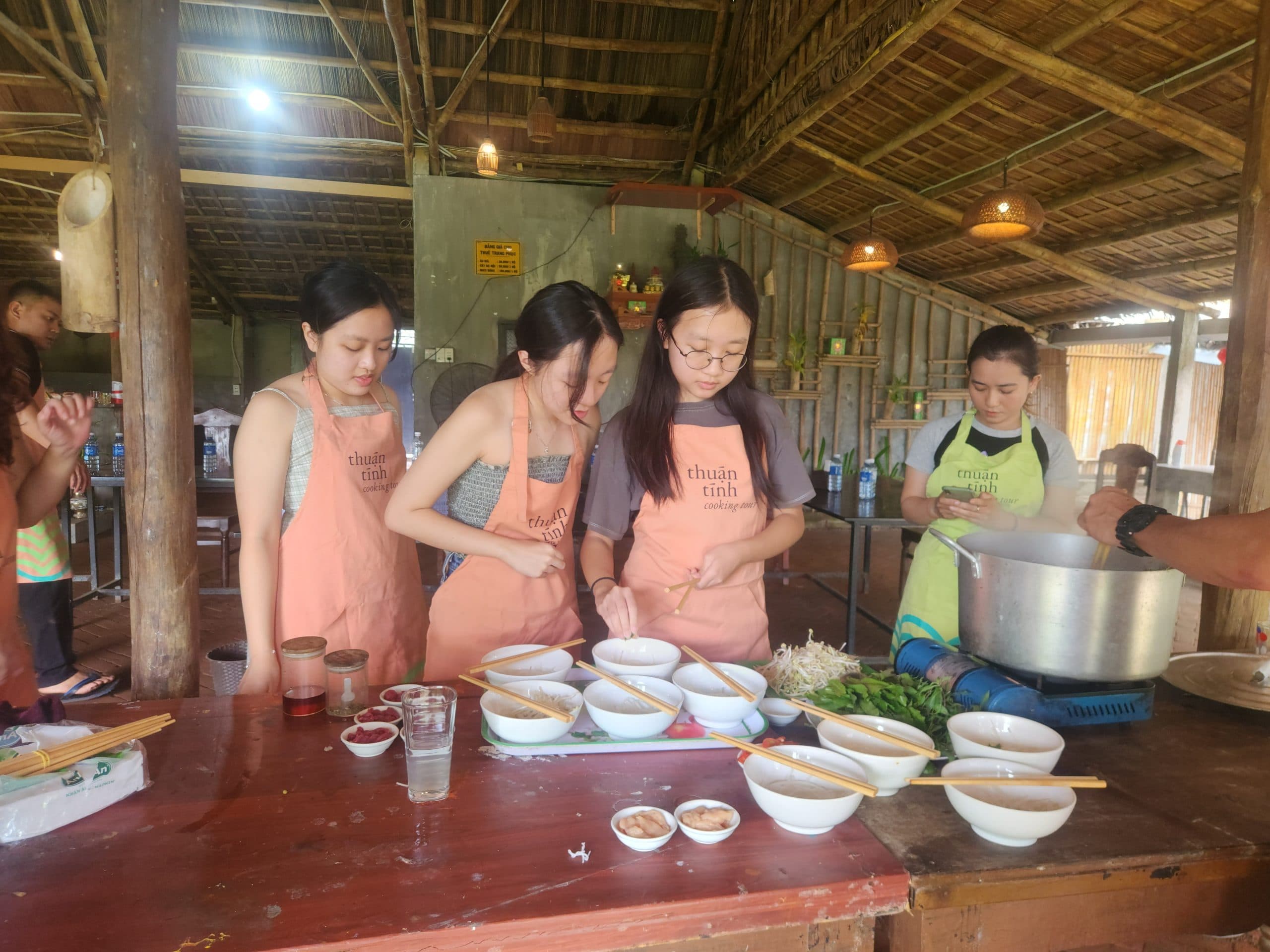
Hue cuisine is one of Vietnam's great culinary traditions — shaped by royal demands and the endless creativity of local cooks. Hue people say: food isn't just about fullness, it must please the eye and the palate.
Bún Bò Huế
The iconic Hue beef noodle soup — fragrant lemongrass, shrimp paste, and a heat that's unmistakably Hue. The city's definitive breakfast soul food.
Bánh Khoái
Crispy sizzling pancakes with shrimp, pork and bean sprouts, dipped in a unique liver-based sauce — Hue's unmissable street food.
Bánh Bèo
Steamed rice cakes in tiny saucers, topped with dried shrimp and scallion oil. One of dozens of specialty cakes once created for the royal palace.
Com Hen
Rice served with tiny river clams sautéed in Hue spices, fresh herbs, rice crackers, and up to 20 different condiments. A symphony of textures.
A Distinctive Cultural Identity
Royal Court Music
Hue's Royal Court Music received UNESCO Intangible Heritage status in 2003. Once performed at imperial ceremonies, it is still taught and performed in Hue today.
Traditional Craftsmanship
From the Thuy Xuan incense village to Phu Cam conical hat village, from embroidery workshops to lacquerware — Hue preserves more traditional crafts than anywhere in Vietnam.
The Hue Ao Dai
Hue women are renowned for their elegance and traditional ao dai. Hue is one of Vietnam's finest centers for handmade ao dai — the craft passed down through generations.
Hue Festival
Held biennially, Hue Festival is Central Vietnam's biggest cultural celebration — street performances, art exhibitions, and reenacted royal ceremonies drawing millions of visitors.
WHEN TO VISIT HUE
When Is the Best Time to Visit Hue?
Hue has a tropical climate with two distinct seasons. Each brings a different experience — the key is choosing the right time for your travel style.
Dry Season — Prime Time
The ideal time to visit. Sunny skies, comfortable temperatures (22–28°C), minimal rain. Perfect for all outdoor activities: motorbike tours, royal tomb visits, Tam Giang lagoon trips.
Summer — Hot but Vibrant
Hue summer is hot (30–32°C) but the Hue Festival often falls in April or June. Peak tourist season — book 2-3 weeks ahead. Best to tour in early morning or late afternoon.
Rainy Season — Proceed with Caution
Hue sits in Central Vietnam's typhoon belt — October and November are the wettest months with possible flooding. If visiting in rainy season, pack good rain gear and keep your itinerary flexible.
Tip from local guides
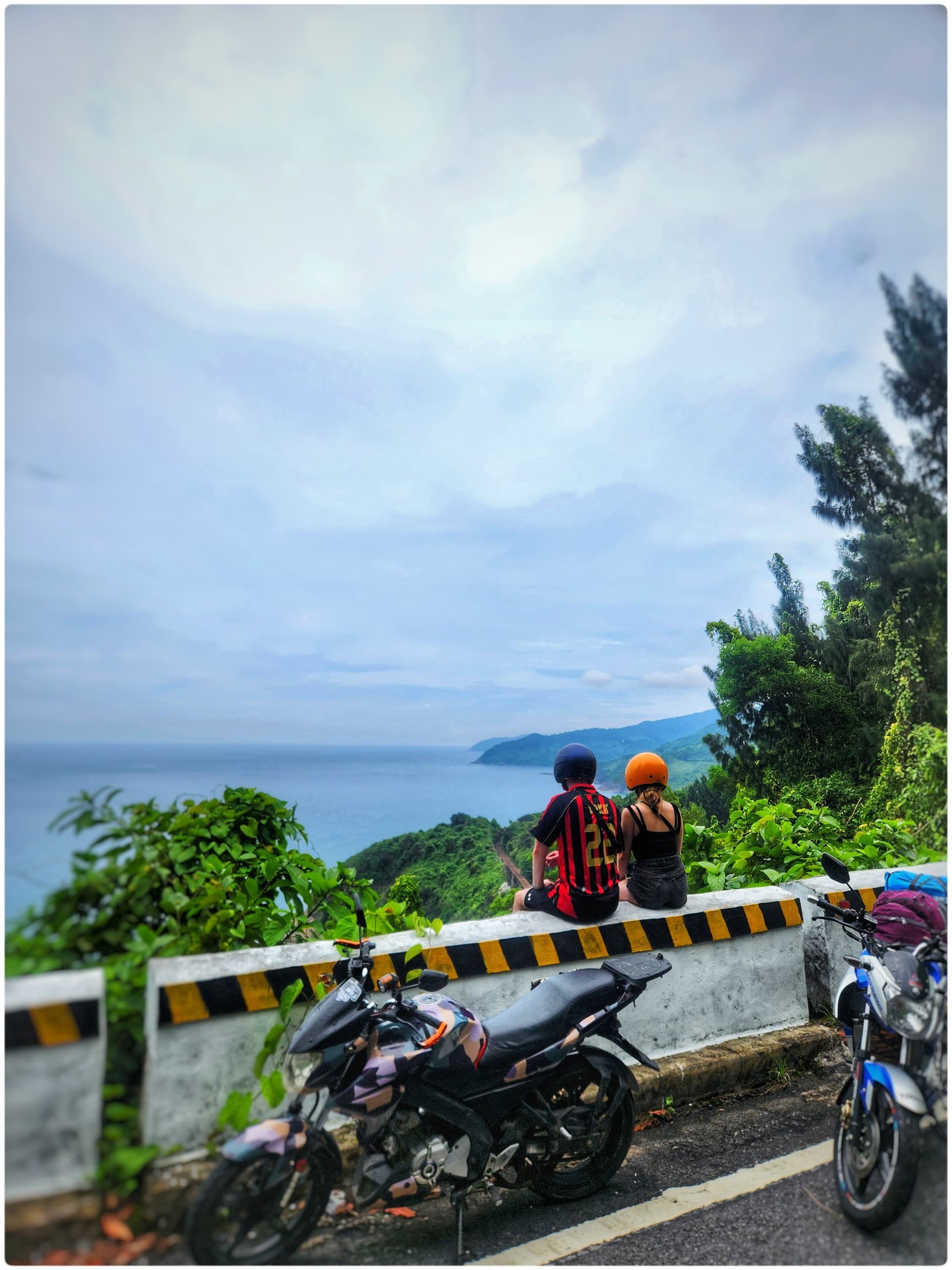
“We do run tours in the rainy season with proper gear — but honestly, February through April is when you'll see Hue at its absolute best. An early morning clear-sky run over Hai Van Pass is one of Central Vietnam's most breathtaking moments.”
— Mai Anh Tú, Hue Motorbike Tours
EXPLORE HUE WITH US
Ready to Experience the Real Hue?
Don't just read about Hue — come and feel it. Our motorbike tours bring you to these places and beyond, at your own pace, with local guides who actually know every road.
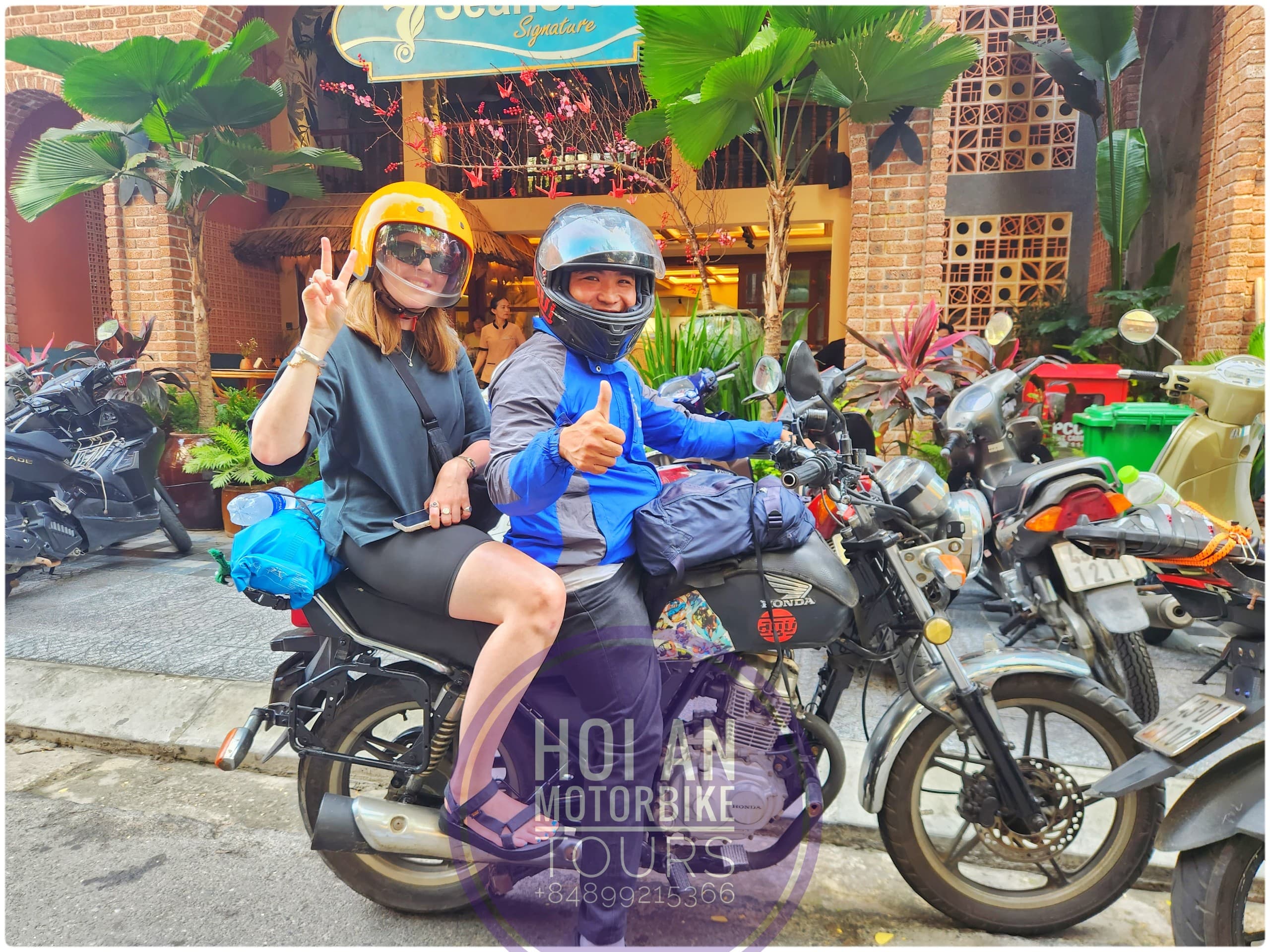
This is what we do
No buses, no rigid schedules. Just you, a motorbike, and a genuinely local guide.